Garden Maintenance Guide

Practical, practical approaches to keeping your Irish garden healthy and attractive year-round

Getting Started with Garden Maintenance

Garden maintenance is an ongoing process that rewards consistent effort with a healthier, more attractive outdoor space. Rather than viewing it as a chore, think of maintenance as a preventative approach that saves time and money in the long run. Well-maintained gardens require less intervention to address problems because issues are caught early and managed properly.

The key to successful garden maintenance is understanding your specific conditions—your soil type, drainage patterns, light exposure, and local climate. Irish gardens have unique requirements shaped by our temperate maritime climate, and adapting your approach to these conditions leads to better results than following generic advice.

This guide covers the essential maintenance tasks that every homeowner should understand. Whether you manage these tasks yourself or work with a professional, understanding the fundamentals helps you make better decisions about your garden's care.
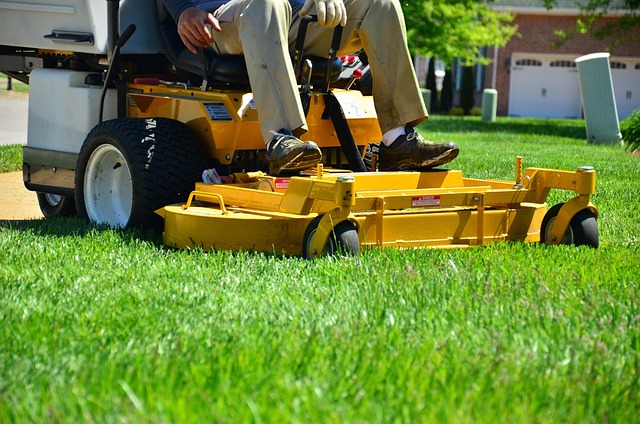

Homeowner using garden tools for regular lawn maintenance and care

Why Regular Maintenance Matters

Regular maintenance prevents small issues from becoming expensive problems. A lawn that's aerated and fed annually stays healthier than one left neglected. Borders mulched regularly suppress weeds naturally without chemical intervention. Gardens that receive consistent attention look better maintained and are more enjoyable to use throughout the year.

Maintenance also protects your investment. Your garden is part of your property, and proper care maintains its value and appeal. Beyond economics, a well-maintained garden is simply more pleasant to spend time in, whether you're relaxing with a cup of tea or entertaining family and friends.

Comprehensive Lawn Care đŸŒ±

Lawn care is the foundation of most Irish gardens. A healthy lawn provides a clean backdrop for borders and planted areas, improves drainage, and creates an inviting outdoor space. Lawn care combines several practices working together: mowing, feeding, aeration, and addressing specific issues like moss and weeds.

Regular Mowing

Mow your lawn every 7-10 days during the growing season (spring and autumn). Keep blades sharp and never remove more than one-third of the grass blade in a single cut. This prevents stress and promotes healthy regrowth. In summer, you may mow less frequently or raise blade height to reduce stress during dry periods. Mulching mowers return clippings to the lawn, returning nutrients naturally.

Spring Lawn Care

Spring is when grass growth accelerates. Clear winter debris like leaves and branches. Apply spring fertiliser containing nitrogen to promote leaf growth. Overseed bare patches with quality seed or turf. Scarify (rake vigorously) to remove dead grass and moss buildup from winter. Aerate if not done in autumn. These tasks prepare your lawn for summer.

Summer Lawn Maintenance

Summer requires consistent watering during dry spells. Water deeply and infrequently rather than daily light watering, which encourages shallow roots. Continue regular mowing but raise blade height slightly if weather is particularly hot. Watch for pests and diseases, which thrive in warm conditions. Reduce foot traffic on stressed areas when possible.

Autumn Lawn Preparation

Autumn is ideal for major lawn work. Apply autumn fertiliser (higher potassium, lower nitrogen) to strengthen roots for winter. Aerate compacted soil to improve drainage and root access. Overseed with quality grass seed. These autumn tasks prevent winter waterlogging and prepare the lawn for vigorous spring growth. Rake fallen leaves from grass regularly.

Winter Lawn Care

Winter is quieter. Reduce mowing frequency and raise blade height slightly. Avoid walking on waterlogged lawns when possible, as this causes compaction. Use dry spells to carry out aeration or soil improvements. Plan spring lawn care and order seed or turf well in advance. Keep mower blades sharp and equipment serviced.

Lawn Feeding Programme

Feed your lawn at least twice yearly: spring (high nitrogen for growth) and autumn (high potassium for root strength). Many gardeners apply three feeds annually. Use balanced, slow-release fertilisers that provide steady nutrition over weeks. Follow package directions carefully. Water the lawn before applying granular fertiliser. Liquid feeds work quickly for immediate colour improvement.

Addressing Moss in Irish Lawns

Moss is common in Irish gardens because our damp climate suits it perfectly. Rather than fighting moss aggressively, understand that moss indicates underlying conditions: poor drainage, compaction, nutrient deficiency, or low pH. Address the cause, and moss naturally declines as grasses outcompete it.

Improve drainage by aeration and adding organic matter. Adjust pH if very acidic by applying lime. Feed regularly to encourage thick grass growth that shades out moss. Scarify in spring to remove winter moss buildup. These approaches work over time as grass becomes denser and healthier. For severe moss, specialist moss killers exist, but they're temporary fixes without addressing underlying causes.

Soil Improvement & Feeding đŸŒŸ

Healthy soil is the foundation of a healthy garden. Irish soils vary considerably—some are clay-based and heavy, others are sandy, and many are acidic. Understanding your soil type and improving it through proper feeding and organic matter incorporation transforms your garden's health and appearance.

Soil Testing

Know your soil before making improvements. Soil tests reveal pH, nutrient levels, and soil type. Simple DIY tests give basic information; professional tests provide detailed analysis. Understanding your baseline helps you make targeted improvements rather than guessing. Many garden centres offer soil testing services. Annual testing tracks progress as you improve your soil.

Adding Organic Matter

Incorporate compost, well-rotted manure, or leaf mould annually. Add 2-3cm each year to borders and planting areas, working it into the top 10-15cm. Organic matter improves soil structure, increases water retention, enhances drainage in clay soils, and feeds soil life. Over time (2-3 years), you'll notice significant improvement in plant growth and soil quality.

pH Management

Irish soils tend to be acidic (low pH). Many plants prefer slightly acidic to neutral soil. If your soil is very acidic and plants are struggling, apply horticultural lime to raise pH. Follow soil test recommendations for application rates. Lime works slowly over weeks, so apply in autumn or early spring. Work it into the top layer of soil and water well.

Fertiliser Programme

Feed gardens regularly but appropriately. Apply balanced fertiliser (NPK) in spring to support growth. Autumn feeds emphasise potassium and phosphorus for root development. Slow-release granular fertilisers provide steady nutrition over months. Liquid feeds work quickly for immediate results. Organic options like fish, blood, and bone, or seaweed products provide nutrition sustainably.

Mulching Benefits

Apply 2-3cm of mulch around plants and borders annually. Organic mulches (wood chips, bark, compost) suppress weeds, retain moisture, regulate soil temperature, and improve soil as they break down. Inorganic mulches (gravel, stone) suit some settings but don't improve soil. Replenish mulch annually as it decomposes. Keep mulch away from plant stems to prevent rot.

Compost Making

Make your own compost from garden waste and kitchen scraps. A compost bin or heap takes grass clippings, leaves, plant trimmings, and food waste, transforming them into valuable soil improver. Mature compost is dark, crumbly, and smells earthy. This free amendment enriches your soil and reduces waste. Turn your heap occasionally to speed decomposition.

Weed Control Basics đŸŒŸ

Weed control is part of regular garden maintenance. Rather than fighting weeds constantly, use prevention and early management to keep them under control. Dense plantings, mulching, and removing weeds while young prevent them from becoming established problems. Understanding different weed types helps you choose the most effective approach.

Hand Weeding

Remove weeds by hand, especially when soil is moist. Pull from the base to remove the entire root. This works well for annual weeds (those with shallow roots). For deep-rooted perennial weeds like docks and thistles, use a hand fork to dig out the entire taproot. Hand weeding is labour-intensive but effective and precise, especially in planted areas where you want to avoid other plants.

Prevention Through Mulching

Mulch suppresses weeds by blocking light and providing a barrier. Apply 2-3cm of organic mulch around plants and borders. This prevents weed seeds from reaching soil and makes weeds that do appear much easier to remove. Mulch also retains moisture and improves soil, making it a valuable practice beyond weed control. Refresh mulch annually as it decomposes.

Dense Planting

Densely planted borders with adequate spacing between plants (following mature size requirements) shade the soil and reduce weed growth. Choose appropriate spacing at planting time. Dense planting looks fuller sooner and requires less maintenance. Thin crowded plants as they mature if necessary, but generally, good initial spacing creates attractive borders with fewer weed problems.

Edging & Borders

Clean edges between grass and borders reduce grass encroachment into planted areas. Use a half-moon edger to cut clean lines. Install edging materials (metal, plastic, wood) to define borders. Regular edging maintenance prevents grass roots from creeping into planting areas, reducing competition and maintenance. Well-defined edges also enhance a garden's appearance significantly.

Selective Herbicides

For large weed infestations or persistent perennial weeds, herbicides may be appropriate. Selective herbicides kill broadleaf weeds in grass without harming the grass. Glyphosate-based products kill most plants but can be used carefully for problem weeds. Always follow label directions carefully. Use herbicides as a last resort when other methods have failed, especially in gardens with children and pets.

Removing Weeds Early

The key to weed management is removing weeds while they're small and before they set seed. Regular garden walks, removing a few weeds weekly, prevents major problems. Never let weeds flower and produce seed—one weed can create thousands of seeds for years. Early removal requires less effort than dealing with established weeds and prevents future problems significantly.

Aeration & Drainage ⚙

Compacted soil restricts root growth and water movement. Aeration relieves compaction by creating small holes throughout the soil profile. This allows roots to penetrate deeper, improves water drainage, and reduces waterlogging—a critical issue in Irish gardens. Regular aeration is especially valuable on lawns and heavy clay soils.

Why Aerate Your Garden

Compaction occurs naturally through use, foot traffic, and heavy machinery. Compacted soil restricts root development, creates waterlogging, and reduces nutrient availability. Aeration reverses compaction by creating pore space in the soil. Benefits include deeper root systems, improved drainage, reduced waterlogging, better water and nutrient uptake, and healthier plants overall. Most Irish gardens benefit from annual aeration.

Aeration Methods

Manual aeration uses a garden fork pushed into the soil at 15cm intervals, rocking backwards to create air pores. This suits smaller areas. Aeration machines (spike or hollow-tine aerators) suit larger lawns. Hollow-tine aerators remove soil cores, ideal for clay soils. Spike aerators simply create holes. Autumn aeration before winter rains is ideal, though spring aeration works too. Aerate every 1-2 years on established lawns.

Improving Drainage

Poor drainage is common in Irish gardens due to clay soils and high rainfall. Improve drainage by adding organic matter (compost, well-rotted manure), aeration, and raising planting levels in very wet areas. For severe waterlogging, consider French drains, raised beds, or specialist drainage solutions. Ensure gutters and downpipes direct water away from gardens and buildings, not into problem areas.

Tackling Waterlogged Areas

Waterlogged areas kill many plants and create muddy, unusable spaces. Address waterlogging by improving drainage (aeration, organic matter, raised beds) and choosing water-tolerant plants. In very wet areas, raised beds with good-quality topsoil often work better than trying to transform the existing soil. Install French drains if waterlogging is severe. Avoid walking on waterlogged soil, which increases compaction.

Pruning & Trimming đŸ”Ș

Pruning and trimming maintain plant shape, encourage healthy growth, and improve appearance. Different plants require different pruning approaches. Understanding basic pruning principles helps you care for your plants confidently without worrying about damaging them through incorrect techniques.

Spring-Flowering Shrubs

Prune spring-flowering shrubs (forsythia, flowering cherry, ornamental plum) immediately after flowering, before they set seed. Remove dead, diseased, or crossing branches. Thin crowded growth to improve air circulation. Avoid heavy pruning unless rejuvenation is needed. Pruning after flowering ensures you remove seed pods while preserving next year's flower buds. Light pruning maintains shape and size.

Summer-Flowering Shrubs

Prune summer-flowering shrubs (butterfly bush, caryopteris, lavatera) in early spring before growth starts. Remove winter damage and dead wood. Cut back to encourage bushy, compact growth. These shrubs flower on new growth, so spring pruning promotes more flowers. Deadhead spent flowers throughout summer to encourage continuous flowering. Remove any crossing or inward-growing branches.

Deciduous Trees

Prune deciduous trees while dormant (November to February). Remove dead, diseased, or crossing branches. Thin crowded growth to improve light penetration and air circulation. Avoid large pruning cuts in late spring or summer, which can bleed. Never top trees (cut off the top); instead, thin throughout. Hire professionals for large trees requiring high work or extensive pruning.

Evergreen Shrubs

Prune evergreen shrubs in spring or early summer during active growth. Avoid heavy pruning in late autumn or winter. Remove dead, diseased, or crossing branches. Light hedging maintains shape. Most evergreens tolerate hard pruning if rejuvenation is needed, but gradual pruning over 2-3 years is gentler. Variegated evergreens may lose variegation if heavily pruned—maintain these gently.

Hedge Trimming

Trim hedges 2-3 times yearly during the growing season (typically May, July, and September). Light, frequent trimming promotes dense growth better than heavy annual pruning. Always taper hedges slightly—narrower at the top, wider at the base—so lower growth receives adequate light. Use sharp tools for clean cuts. Avoid trimming in late autumn or winter when growth has stopped.

Pruning Tools & Technique

Use sharp, clean tools: bypass secateurs for live wood, anvil secateurs for dead wood, pruning saws for thick branches. Sharp blades make clean cuts that heal quickly. Sterilise tools with disinfectant between plants to prevent disease spread. Always cut just above an outward-facing bud at a slight angle, never leaving snags. Remove entire branches at the collar rather than leaving long stubs.

Essential Maintenance Equipment đŸ› ïž

Quality tools make garden maintenance easier and more effective. While it's tempting to buy cheap equipment, quality tools last longer, perform better, and are easier on your body. Invest in essentials and maintain them properly—sharp blades and clean tools do better work than dull, neglected equipment.

Lawn Mowers

Choose between rotary and cylinder mowers based on your lawn size and condition. Rotary mowers suit rough or longer grass; cylinder mowers give a fine finish. Electric models are quiet, low-maintenance, and ideal for most domestic lawns. Petrol mowers suit larger areas. Hand-push mowers work for small areas and are very quiet. Keep blades sharp and service regularly for reliable performance.

Spades & Forks

A stainless-steel spade and fork are fundamental tools. Use the spade for digging, edging, and moving compost. The fork suits aeration, turning compost, and working with rocky soil. Stainless steel resists rust; quality handles reduce strain on joints. Many gardeners prefer wooden handles for comfort. Proper tool size matters—too heavy or too light affects your back and shoulders.

Hand Tools

Essential hand tools include trowel, hoe, rake, and hand fork. A trowel digs small holes for planting and weeding. A hoe prepares beds and removes weeds. A rake clears leaves and prepares soil. A hand fork (or cultivator) loosens soil and removes weeds from borders. Stainless-steel blades last longer and clean easily. Wooden handles are comfortable. Store tools in a shed to extend their lifespan.

String Trimmers

A string trimmer (strimmer) tides edges and reaches areas your mower can't. Electric models are light, low-maintenance, and quiet. Petrol models suit large gardens. Cordless models offer good battery life and convenience. Wear proper footwear and eye protection when trimming. Keep spare line or spools for your trimmer. Regular maintenance keeps it reliable.

Watering Equipment

A quality hose, watering can, and rose are essential for hand watering. Soaker hoses deliver water efficiently to plant roots, reducing waste. Oscillating sprinklers cover larger areas evenly. Raised hose storage keeps hoses tidy and extends their lifespan. Attached hose reels work well. Choose equipment sized appropriately for your garden—longer hoses for larger gardens, shorter ones for smaller spaces.

Pruning Tools

Keep bypass secateurs for live branches and anvil types for dead wood. A pruning saw cuts thicker branches cleanly. Hedge shears trim edges and small shrubs. Loppers extend your reach for higher branches. Sharp blades make clean cuts that heal faster and prevent disease. Sterilise tools with disinfectant to prevent disease spread. Maintain tools with regular sharpening and light oil.

Selection of garden tools including spade, fork, rake, hoe, and hand tools arranged neatly

Building a Maintenance Schedule 📅

A simple maintenance schedule helps you stay on top of tasks and ensures nothing is forgotten. Rather than reacting to problems, a schedule-based approach spreads tasks throughout the year, making maintenance feel manageable. Adjust the schedule to your situation—your garden size, time available, and physical ability all affect what's realistic.

Spring (March–May)

Apply spring fertiliser to lawns and borders. Overseed bare lawn patches. Scarify lawns to remove moss and dead grass. Aerate if not done in autumn. Start regular mowing. Divide perennials and plant summer bedding. Prune spring-flowering shrubs after flowering. Apply fresh mulch to borders.

Summer (June–August)

Maintain regular mowing every 7-10 days. Water consistently during dry spells. Deadhead flowers to encourage more blooms. Feed container plants regularly. Watch for pests and diseases in warm conditions. Take cuttings from tender plants for propagation. Continue hand-weeding. Enjoy your garden!

Autumn (September–November)

Apply autumn fertiliser (high potassium). Aerate lawns and overseed. Plant spring bulbs, perennials, and shrubs. Clear fallen leaves from grass but leave in borders for wildlife. Prune summer-flowering shrubs. Cut back perennials. Plant spring bedding. Apply fresh mulch. Prepare tender plants for winter.

Winter (December–February)

Reduce mowing frequency. Prune deciduous trees and shrubs while dormant. Service garden equipment. Protect tender plants. Use dry spells to improve drainage or add organic matter. Plan spring projects. Order seeds and plants. Clean and sharpen tools. Maintain gutters and downpipes.

Making Your Schedule Work

Create a simple checklist for each season and keep it accessible—printed in a kitchen drawer or digital on your phone. Break large jobs into smaller tasks spread across weeks. Prioritise essential tasks (mowing, feeding, weeding) over nice-to-haves. Be flexible—weather, garden size, and your energy levels all affect what's possible in any given week. The goal is sustainable maintenance, not perfection.

Need Garden Maintenance Guidance?

Have specific questions about maintaining your Irish garden? Whether you're struggling with moss, wondering about the best feeding programme, or need advice on a particular maintenance task, we're here to help. Contact us for guidance tailored to your garden's needs.

Get in Touch